The History Files: New Balance
Few brands balance heritage and modern relevance quite like New Balance. Founded over a century ago back in 1906, with a focus on comfort and support, the brand has evolved from specialist footwear to one of the most respected names in global streetwear.
What makes New Balance different isn’t hype or constantly re-inventing the wheel – it’s consistency. From early arch supports to today’s most in-demand silhouettes, the foundation has always been the same: performance-led design built for real people.
How New Balance Started – From Arch Supports to Trainers
Before it became known as a powerhouse for trainers, New Balance was focused on something far more specific: improving foot support.
Early Vision
Starting as the ‘New Balance Arch Support Company’ back in 1906, the brand’s mission centred around one simple goal: improve balance and comfort through better footwear support. The founder, William J. Riley - an English migrant living in Boston, Massachusetts, became fascinated with the way chickens in his garden balanced on their feet, and so he came up with an idea to create arch supports that had three support points. At that time, footwear wasn’t designed with much anatomical consideration – so this approach felt forward-thinking.
That focus on fit and stability formed the foundation that shaped everything that followed. Rather than chasing trends, they built an identity around function.
From Arch Supports to Proper Shoes
By 1934, almost 28 years into the brand’s journey and New Balance were still yet to sell an actual trainer. Instead, they kept their focus on selling arch supports to workers who had to stand for long periods. It wasn't until Riley’s partner, Arthur Hall, sold the New Balance Arch Support Company to his daughter Eleanor and her husband Paul Kidd in 1956 that the production of New Balance trainers actually began.
By the mid-20th century, New Balance had moved into performance footwear, applying its comfort-first philosophy to running shoes. They had become a must-have for budding athletes by 1960 and it was these athletes that inspired the first New Balance sneakers - the Trackster. This shift marked the beginning of what we now recognise as New Balance trainers.
The Trackster was the first running shoe with a rippled sole for traction, and it was offered in a range of widths to accommodate all athletes. The Trackster was originally manufactured at home by the Kidds.

The Rise of New Balance Trainers
With running culture growing rapidly throughout the late 20th century, New Balance was getting ready to step into the spotlight.
Moving Into Athletic Footwear
Although the Trackster was a success, New Balance hadn't yet broken into the mainstream trainer market. This came after the company’s purchase by the current chairman, Jim Davis, on the day of the 1972 Boston Marathon. The Boston area had become the epicentre of the running trend that took over America back in the 70s. What started as just a phase continued to grow in popularity into the 80s and quickly gave New Balance the perfect audience and platform to release more trainers each year.
Although they were now releasing more trainers, Jim Davis kept the company’s tradition of individual fits by offering New Balance sneakers in a variety of widths. As running culture developed, New Balance became known for reliable performance models that prioritised stability and cushioning. Runners valued the brand’s attention to fit, width options and durability. That performance reputation helped New Balance stand apart in a crowded market.
Building a Reputation for Quality
Unlike brands driven purely by hype, New Balance earned trust through consistency. Durable materials, supportive midsoles and thoughtful construction became trademarks.
Rather than naming their trainers, New Balance used unique model numbers which indicated the type of shoe, the activity it was designed for, and whether the trainer was built for stability or speed. 1976 marked the beginning of New Balance's global breakthrough thanks to the New Balance 320. Featuring the now famous 'N' logo, the New Balance 320 was voted the number one running shoe on the market by Runner’s World magazine and was described as, “the complete training shoe for the beginning jogger and the Olympic runner alike”.
That same attention to detail is visible across some of its most popular models, including the New Balance 1000, 530, 2002R, 1906, and more. Each model blends heritage performance with modern street appeal, showing how the brand evolved without losing its roots.

Shop New Balance Trainers
How New Balance Became a Streetwear Staple
The transition from performance footwear to cultural essential didn’t happen overnight. It was gradual – and organic.
From Performance to Lifestyle
The transition from performance runner to streetwear essential didn’t happen overnight. It grew naturally as fashion shifted towards retro aesthetics, technical silhouettes and comfort-led styling.
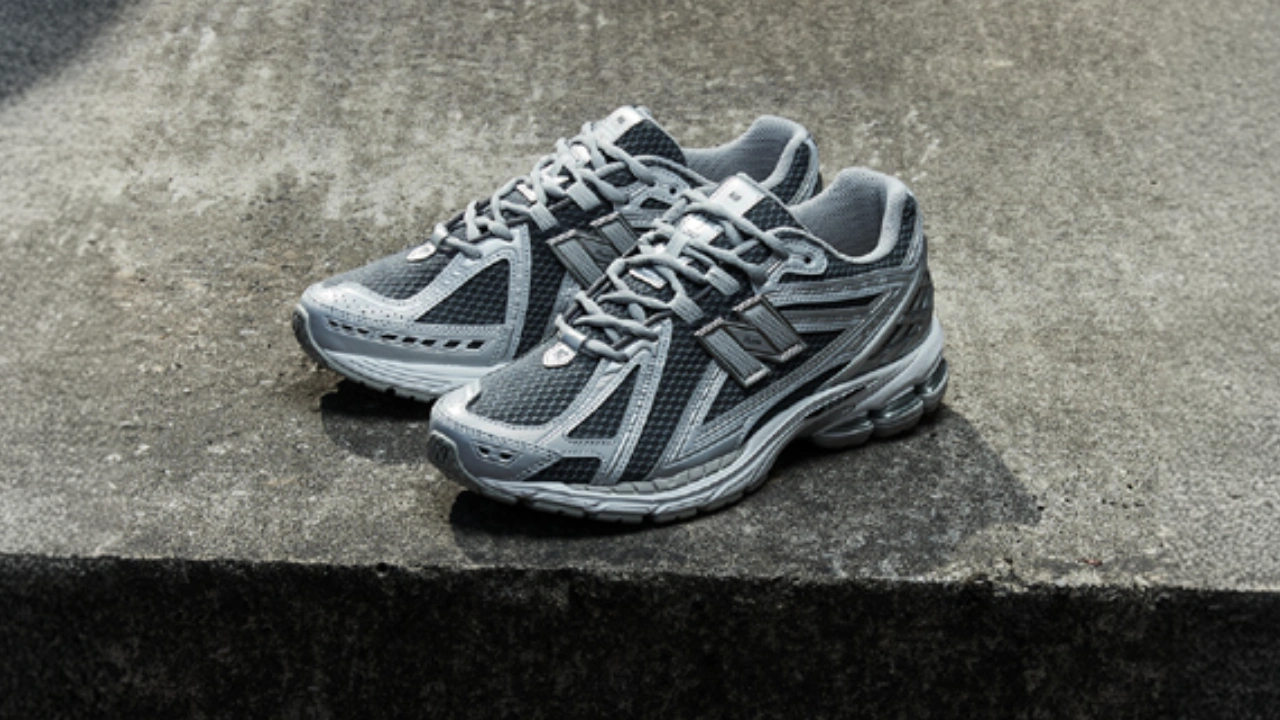
Models like the New Balance 530 and New Balance 2002R became everyday favourites thanks to their layered uppers, visible cushioning and easy-to-style colourways.
The New Balance 9060, meanwhile, represents the brand’s modern direction – bold proportions, sculpted midsoles and statement design. Read our New Balance 9060 guide for deeper insight to how performance innovation overlaps with fashion influence with this chunky silhouette.
Shop New Balance Apparel
Markup 27e39075_517b_4a89_94c8_08175e7f4576 component to be created